Want to build your own e-commerce business, but warehousing feels like too much time and hassle?
You've probably heard of dropshipping by now. But what does it actually mean?
What is dropshipping?
Dropshipping is an e-commerce model that lets a business sell products without handling stock or logistics itself. It makes running a new online shop simpler and less risky.
The model keeps getting more popular because it lets entrepreneurs focus on marketing and customer service, leaving warehousing to a third party.
ESTO Pay Later
Check out our ESTO "buy now, pay later" payment solution
How does dropshipping work?
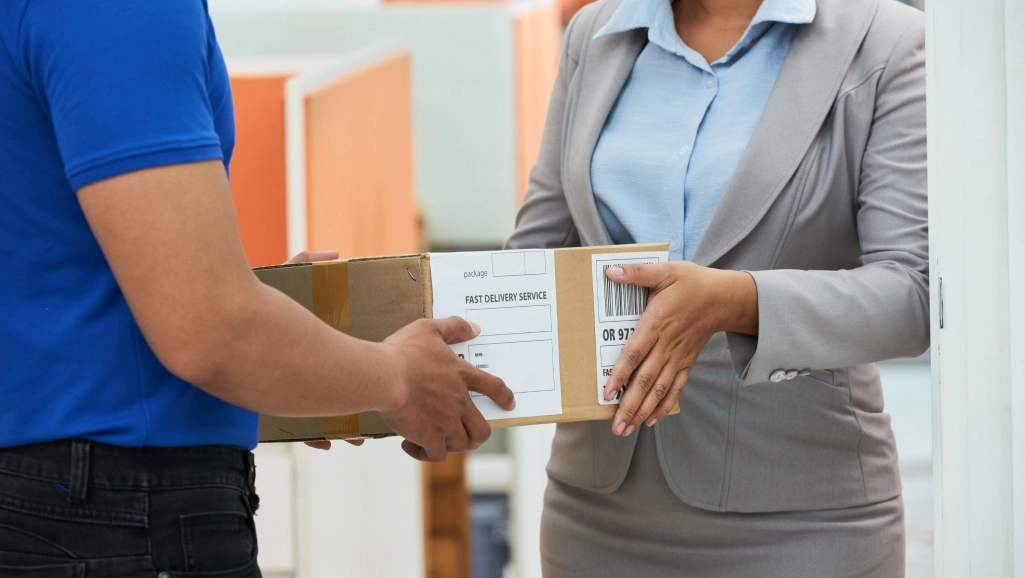
A customer places an order in the online shop. The shop then sends the order and the customer's details to the supplier, who ships the product straight to the customer.
Products are ordered directly from the supplier, who ships them to a warehouse or straight to the customer. This cuts startup and running costs significantly, letting entrepreneurs focus on other important parts of the business.
The model lets shops skip the warehousing and logistics costs that come with traditional retail.
Some local companies also offer warehousing services, so you can run your dropshipping business while focusing purely on the local market.
Using local suppliers has several advantages, like faster delivery and better control over product quality. Focusing on the local market also means better understanding local customers' needs and preferences, which helps build a stronger customer base and better relationships.
How do you choose what to sell?
With a dropshipping business model, finding your niche and the products to offer is one of the first and most important steps. Picking a niche helps cut down competition and understand your target audience's needs.
Online platforms like AliExpress, Oberlo, or SaleHoo offer a huge range of products across categories, letting you explore different manufacturers and find products that fit your chosen niche.
Finding the right manufacturers, ones who can guarantee good quality and delivery times, matters. Spend time researching suppliers to keep customers happy and build a successful, sustainable business.
Keep an eye on market trends and customer reviews too, to understand which products are in demand right now and how to sell and promote yours most effectively.
What to consider when building your online shop
Shopify and WooCommerce are the most popular online shop platforms suited to dropshipping. Both offer built-in tools and extensions that make starting and running a dropshipping business easier.
For example, you can use a platform that helps automate order management, stock monitoring, and customer relationships. With the right tools, you can automate the entire admin side and spend your time on product marketing instead.
Of course, offering customers a range of flexible payment options matters too. ESTO Pay Later, for instance, lets your customer buy now and pay later, or split the amount into instalments. That boosts customers' purchasing power, which in turn boosts your revenue.
The downsides of dropshipping
Unfortunately, no business model is entirely risk-free, and dropshipping has its downsides too.
Compared to traditional retail, margins can be lower, since products are bought one at a time. Quality control can also be harder, since the seller may never have physically seen the product. That can lead to unhappy customers and more returns.
Customer service can get trickier too — issues like delays or wrong items shipped need a reply from the supplier first before you can respond to the customer.
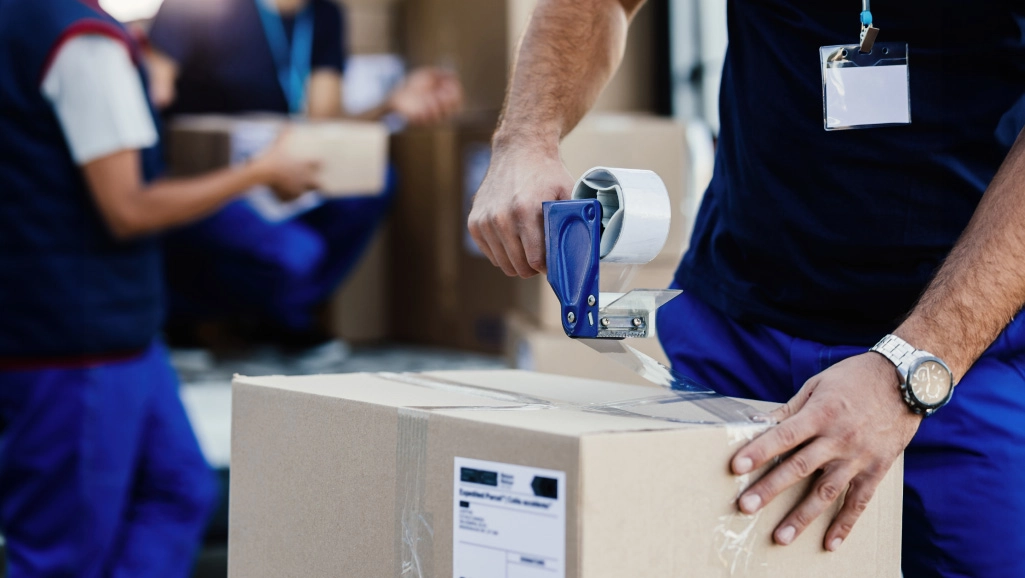
On top of that, dropshipping can mean higher shipping costs and harder stock tracking. Since packaging largely depends on the supplier, it can be harder to offer a personal shopping experience or stand out from competitors.
Despite these downsides, dropshipping can be a great way to start an e-commerce business with low starting capital. With careful preparation, you can reduce the risks and build a successful business that delivers value to both you and your customers.
Read more on our blog: How to grow your online shop's turnover?