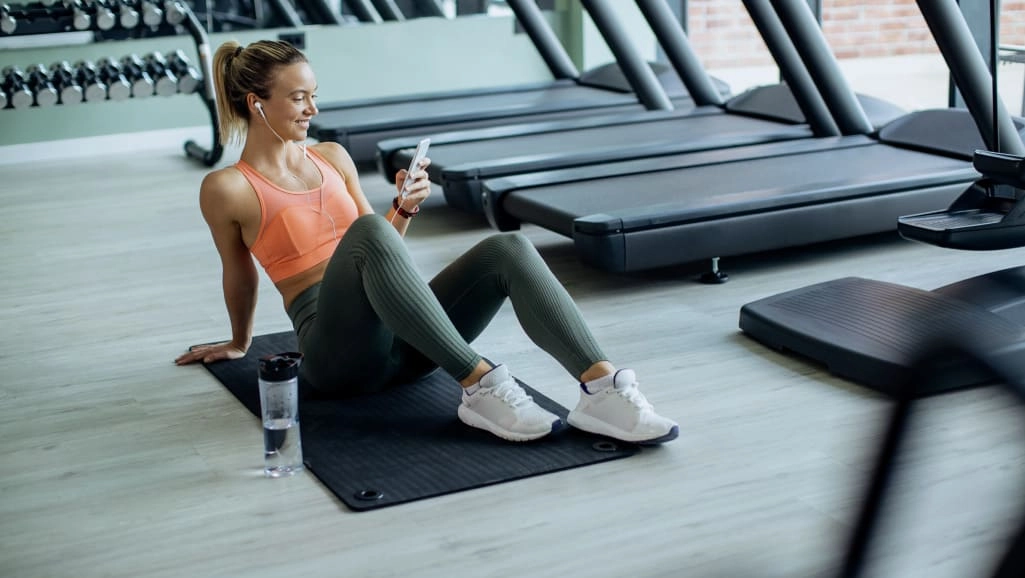
Loving what you do, setting your own hours, and keeping a healthy lifestyle — both personally and as you climb the career ladder — are among the most common reasons people start a business. Often, after training for a while — in group classes, at the gym, or at home — you start wondering whether you could turn that hobby into work. But how do you actually make it happen? We've put together five concrete steps to turn that dream into reality.
So many options!
Opening a gym is an idea plenty of people have had. But first, it's worth making sure you actually want to do it. Not sure sport is really your thing? That's fine — you could also start a business in facility management or maintenance.
But back to sport — here's what's worth understanding first:
- What kind of classes do you want to run, and what equipment and space does that need?
- Do you even need your own space and equipment, or would renting be easier?
- Do you want to open a public gym, or more of a studio for one-on-one or small-group training?
If you want maximum freedom, a personal studio is the best choice. The biggest difference between training at home and at a gym is that a gym has professional trainers on hand for advice and support.
ESTO credit line
Check out our ESTO "credit line" payment solution
Start by developing yourself
Luckily, Latvia offers a range of personal trainer courses that meet different standards and requirements. You can pick up some knowledge on your own, but don't underestimate professional courses — they build the essential knowledge base. Personal trainer courses typically cover the basics across several areas:
- nutrition and supplements;
- exercise;
- human physiology;
- anatomy;
- injuries;
- using training equipment.
Graduating from the Latvian Academy of Sport Education gets you an official trainer qualification. That may matter if you plan to work with state institutions or want to apply for financial support. The University of Latvia and Rīga Stradiņš University also offer well-known training programmes. Before choosing, research the programmes carefully and ask around about other people's experience.
Of course, these are usually paid programmes, so it's worth understanding your options. If you don't have enough savings to cover them, or want the cost to not eat into your monthly budget, ESTO can offer flexible payment solutions — helping both during your studies and at the next step: buying equipment and space.
Give your client the best
As a personal trainer, you get to choose what to focus on. Yoga, dance, and many other types of training need minimal equipment, and it's easy to pick. Choosing equipment for strength training can be trickier, even if you've been going to the gym for a long time.
What should you think about when planning to open your first gym?
A universal solution isn't always the best one. Even though the name might suggest such equipment offers endless possibilities, its limits get hit fast. That's why we want to highlight simpler, more versatile options.
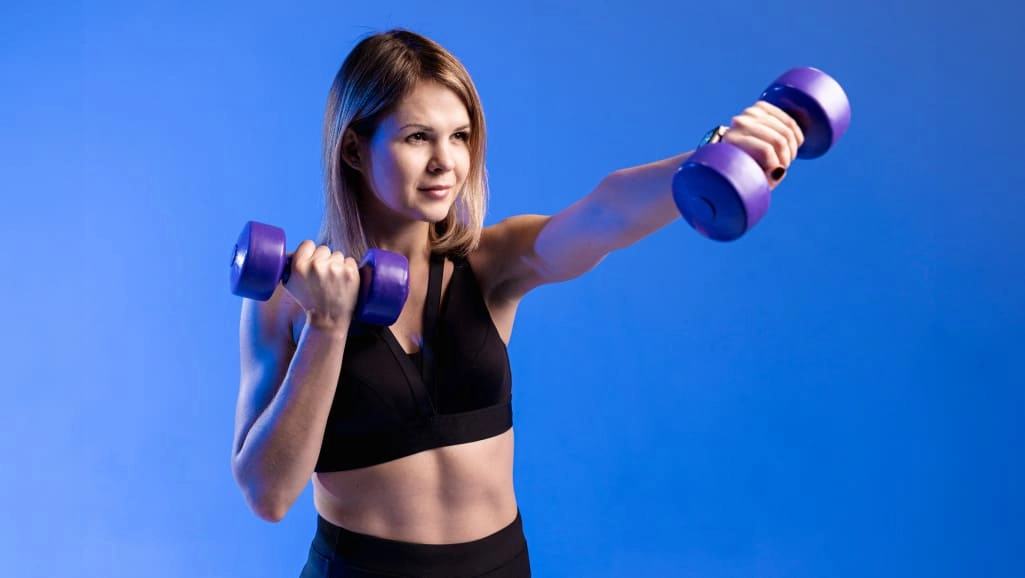
Dumbbells cover a huge range of uses, so they should be a priority. Thinking about your potential client base helps you roughly work out the dumbbell weights you'll need. Weights from 1 to 10 kg suit beginners, while a 15–25 kg range offers more options for experienced athletes.
Next up: an adjustable incline bench. Its adjustability lets you do a wide range of exercises on it. Choose the right one, and it also works for dips, widening the range of possible training.
The third step is choosing barbells and plates. You don't need to pick the most expensive plates, but skip the most old-fashioned options too, since they can be uncomfortable to use. You might also consider weight machines, which let you lift weights both standing and lying down. These exercises engage several muscle groups. And while both can be done without special equipment, machines make training safer thanks to their built-in support.
Treadmills, step machines, exercise bikes, and rowing machines take up a lot of space, and good-quality models are expensive, so we'd recommend holding off on buying these at first. Sometimes it's smarter to start with cardio training that doesn't need heavy machine use — outdoors, for example. Still, even putting off buying machines, your budget might not stretch far enough.
There's always a solution — you just need to know where to look
A deliberate approach makes cutting costs easier. When buying gym equipment, it's worth weighing the resources involved against their future potential. Equipment someone else wants to sell is often in near-perfect condition, but priced significantly lower since it's already been used. That means you can save easily!
That said, you still can't start this project without significant expenses. You'll need to pay for training, rent, and equipment. You could save the money yourself, which can take a lot of time and effort. Or you could use a loan and invest in your future instead.
An ESTO credit line is a flexible solution — borrow exactly what you need, and pay interest only on the amount you use. The first 30 days after signing the contract are interest-free on withdrawals. You can repay on your own schedule, with a flexible repayment plan. That way, you stay in control of your monthly expenses.
How do you find clients?
Finding clients feels hard at first, but luckily, that's only true at the start. Remember, you don't have to jump straight into full-time work. Being a personal trainer can start as a hobby or a side job, while your main job still provides the financial stability you need.
Once you've found a few clients, word tends to spread fast through recommendations, so existing clients can bring in new ones quickly. To make that happen, you obviously need to offer a quality service. It's not enough to just enjoy training and be willing to coach someone.
As a personal trainer, you need broad knowledge to understand how to choose and teach exercises. Clients are all so different! What works for one won't get results for another, so stay flexible when working with clients. Knowledge and experience also bring the ability to observe — you can read your client, which lets you give advice that benefits both of you and the athlete you're training.
What matters most is passion — it drives your own growth, helps you keep learning, and helps you share your knowledge and skills. A good personal trainer isn't just a fantastic salesperson, but also great at connecting with clients.
ESTO LV AS credit line example: loan amount 1,231 €, repayment term 12 months, interest rate 0% for the first 30 days, interest rate from day 31 is 37.9%, monthly payment 124.84 €, arrangement fee 0 €, monthly administration fee 0 €, disbursement fee 3.5% + 3.5 EUR, annual percentage rate (APR) 52.25%. Total repayable amount 1,498.08 €. *This calculation is for information only. We'll prepare an individual offer once we've received and assessed your loan application.