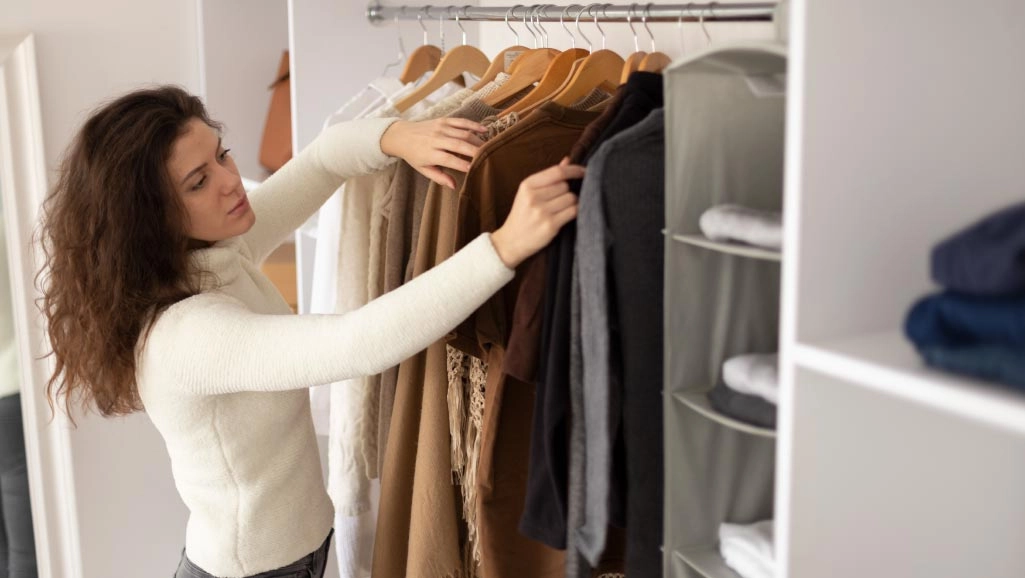
We've all had that moment: a closet stuffed with clothes we've barely worn, yet somehow still nothing to put on. This paradox doesn't just highlight our growing appetite for wardrobe changes — it also points to the fashion industry's deeper problem with sustainability and consumption. 2024 is bringing a shift: people are increasingly turning to sustainable, quality clothing. These deliberate efforts to rethink our relationship with fashion and break the cycle of overbuying and underusing aren't just a trend — they're a necessary step toward environmental responsibility and financial literacy. This shift could pave the way to a greener, more sustainable, and more stylish world.
The revival of sustainable fashion
Since the fashion industry has a significant negative impact on the environment, including waste and excessive carbon emissions, consumers are increasingly moving away from frequent wardrobe changes and turning instead to products that promise longevity and minimal environmental impact. That's pushing designers and brands to innovate and create clothing that combines aesthetic appeal with environmental responsibility. From using organic materials to circular-economy-inspired manufacturing methods, the industry is finding various ways to make fashion sustainable while keeping it stylish.
When choosing sustainable clothing, it's important to consider the materials and the brand's character. Ethical manufacturing practices, natural or recycled materials, and a commitment to reducing waste are key markers of a brand's sustainability. That's given rise to conscious maximalism — a trend that emphasizes creativity and personal expression when choosing sustainable clothing. Its followers pick items that are both eco-friendly and visually appealing.
Ethical manufacturing
Sustainability isn't just about the choice of materials — it spans the entire clothing lifecycle, including how it's made. That mainly comes down to ethical labour practices, making sure people working in the fashion industry are treated fairly and work in safe conditions. Today, consumers can increasingly trace a garment's journey from factory to closet. This kind of transparency builds trust and lets consumers make informed choices that match their values.
Using innovative technology
Using innovative technology is essential for advancing sustainable clothing manufacturing. There are several technologies and approaches in this industry that can reduce environmental impact and improve manufacturing efficiency. Various companies are developing technologies that recycle plastic, fabric, and other materials into new yarn. This means reusing materials that would otherwise end up as waste. 3D printing lets you manufacture clothing with minimal waste, since the product is built using only the materials it needs. Nanotechnology can help create fabrics that are easy to clean and resistant to stains and wear. That helps extend the life of clothing and reduces the need for new items. Manufacturing processes can integrate solar energy technology, which reduces companies' reliance on fossil fuels and cuts CO2 emissions. Engineering advances and the latest fabric developments can create materials with high durability, elasticity, and breathability, reducing the need for frequent clothing replacement.
The capsule wardrobe
A capsule wardrobe is a concept designed to simplify and streamline how you choose clothes, especially for everyday outfits. This approach involves building your wardrobe around a smaller collection of high-quality, easily combinable pieces that work across seasons and situations. The main goal is to build a functional, effective wardrobe that covers your style needs while minimizing unnecessary excess. A capsule wardrobe typically includes various pieces — trousers, dresses, shirts, a jacket, and the like — that can be easily mixed and matched to create different outfits. This approach helps reduce the amount of clothing you own and optimize storage space, while also encouraging sustainable consumption by buying quality, long-lasting clothing.
The capsule wardrobe concept is often linked to minimalism and a sustainable lifestyle, aiming to reduce overconsumption and environmental impact, while also making everyday life easier by simplifying how you choose clothes and organize your wardrobe.
Brands driving sustainable fashion choices
The "Weekend" philosophy focuses on creating clothing that doesn't chase trends. Their commitment to longevity and timeless design echoes the principles of the "capsule wardrobe." The "Weekend" collection, marked by sustainable materials and a classic aesthetic, invites you to invest in fashion that keeps both its style and its substance.
"MemberShop" believes organic fashion can be bold, expressive, and daring. Using innovative recycled fabrics and ethical manufacturing practices, MemberShop proves that sustainability doesn't have to be synonymous with minimalism.
"Ivo Nikkolo" combines luxury with sustainability, showing how premium fashion can lead the way in ethical manufacturing and supply. Their commitment to quality shows in every product, from carefully crafted clothing to accessories.
ESTO's role in driving sustainable fashion
The innovative payment solutions provided by fintech company ESTO also play a key role in driving sustainable fashion. The "buy now, pay later" checkout method makes sure that when choosing ethically made, durable, and sustainable products from ESTO partners like Weekend, MemberShop, and Ivo Nikkolo, buyers can enjoy their sense of style right away and pay for their purchase later.
In conclusion, the shift toward more sustainable, quality-focused clothing in 2024 isn't just a trend — it also reflects the fashion industry's growing environmental impact and more responsible consumer behaviour. By choosing to invest in high-quality, timeless, sustainable brands and following capsule wardrobe principles, we can drive a positive environmental impact and create our own unique style. ESTO's payment solutions make these sustainable fashion choices more accessible, further supporting eco-friendly practices in the fashion industry.
You might also be interested in this article: 5 Creative Ways to Earn Extra Income.